
The Legislator’s Extraordinary Role
The Social ContractThis flow follows the legislator’s paradoxical task: shaping institutions for a people while lacking the authority to impose them.
increasing Bearing strength in each event
 decreasing
Bearing strength in each eventdecreasingPeople Need Guidance
People Need Guidance
Will and Judgment
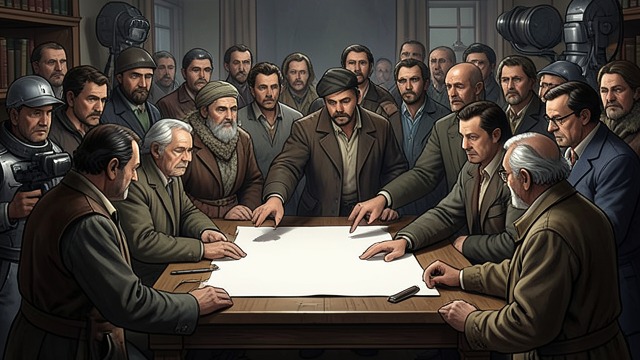
Rousseau says the people wills its good but may not clearly see it. Good legislation must join public will with an understanding of consequences.
The Founding Difficulty
A people cannot easily design the institutions that will make it capable of governing well. That gap creates the need for a special political intelligence.
Near Superhuman Knowledge
Near Superhuman Knowledge
Knowing Without Passion
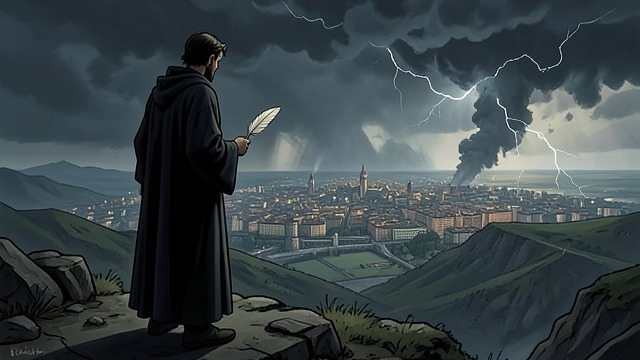
The legislator would need to understand human passions without being ruled by them, and to work for a future beyond personal reward.
A Deliberate Paradox
Rousseau calls this task almost divine in difficulty. The language elevates institution-making while warning that ordinary rulers cannot safely claim such insight.
No Ruling Authority
No Ruling Authority
Neither Prince nor Sovereign
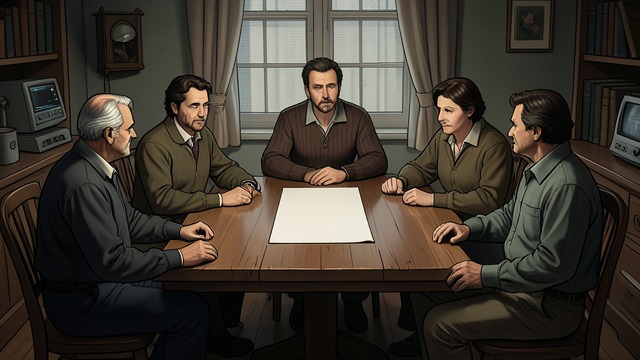
The legislator proposes institutions but does not command the people or exercise sovereign power. Laws must still receive the people’s free approval.
A Necessary Restraint
This separation protects the community from a founder who might convert wisdom into personal rule. The architect of law cannot become its master.
Persuasion Through Religion

Persuasion Through Religion
Beyond Force and Argument
Because a new people may not understand distant public benefits, the legislator historically invokes divine authority to make laws persuasive.
Political Instrument
Rousseau treats this appeal as a founding instrument, not proof that politics and religion share one permanent purpose. Its success depends on wisdom, not a merely theatrical claim to revelation.
Institutions Outlive Their Founder
Institutions Outlive Their Founder
From Person to Custom
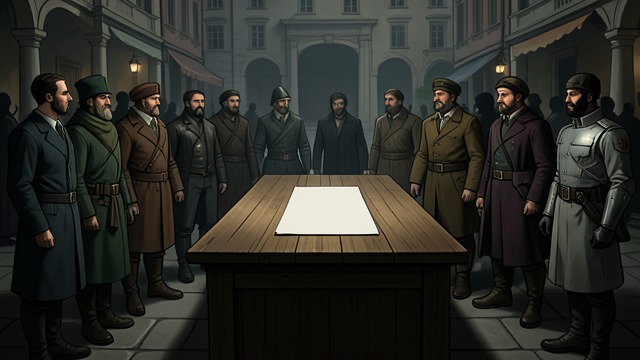
The legislator’s suggestions must become accepted institutions. In mature societies, custom, organization, and tradition carry the formative work forward.
A Limited Legacy
The founder’s authority recedes once the people has ratified its laws. Durable political order depends on collective acceptance rather than permanent personal command.
Book II, Chapter VI, after the definition of law
Book II, Chapter VII, at the legislator’s description
Book II, Chapter VII, as the legislator’s office is distinguished
Book II, Chapter VII, on the founding of early institutions
Book II, Chapter VII, after the founding act
